
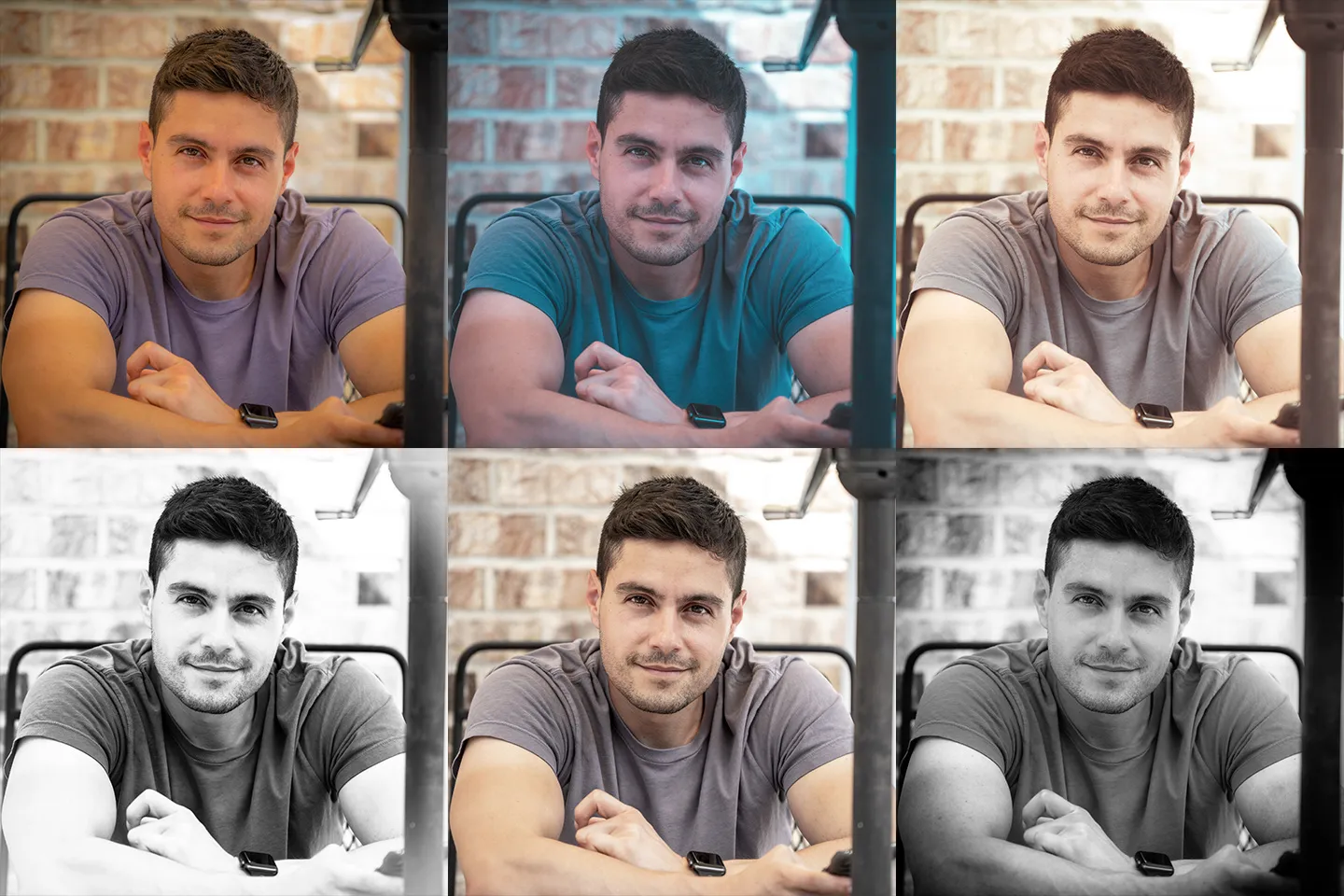
What is Style?
- Body
- Sony A7ii
- Lens
- Sony FE 70-200 f/4 G OSS
- Exposure
- 200mm · 1/200 · f/4 · ISO 64
In matters of style, swim with the current; in matters of principle, stand like a rock.
-Thomas Jefferson
A lot of photography commentary contemplates the theme of achieving your own photographic style. The zenith for photography pundits is to have your style instantly recognizable owing to the uniqueness or consistency of presentation you’ve achieved. Boring.
While I do recognize that in the world of high-end commercial photography, with hyper-specialization and huge money in exchange, the postulate may have some validity, I am not of that world. Nor are 99.9996% of people photographing due to their interest, their income, or a combination thereof. And consequently—for me personally—I view the quest to achieve a unique or consistent style as hugely limiting in my ability to express visual interest across any variety of genres. I’m not into limits, nor into consciously reducing the palette of possibilities with any image to a predefined outcome or composition. Variety is the spice of my life. If you’re not evolving, you’re dying. Throw around any other quaint aphorism you want.
I have had periods where I have fallen into a rhythm of tonal, subject, or compositional similarities. I will find myself consistently using a given set of adjustments on a selection of new images. I think that modern photography software may be complicit in that. The dreaded ‘preset’ is both a blessing and a challenge. Presets provide for rapid color grading, tonal adjustments, and curves at a click. When you’re faced with processing large volumes of images, they can be a life-saver. But presets can also lull you into not examining the image, the setting, the ambient lighting, to achieve something which reflects not only the photographer, but also situation under which the image occurred. They are the photographic equivalent of the Easy Button. Many who make images principally with a phone camera and then apply a ‘filter’ (I detest that term) do this all the time. That pattern, however, is not unique to modern software. In some ways, the analog situation (yeah, I know) was present in the film era when I first began photographing seriously. I would slam in a roll of Plus-X, or later T-Max, knowing what the film look would be. I often didn’t vary the development process. I went to my standard Ilford Galerie paper, toned with a rote technique…and often everything was consistent, hence so was the outcome. The digital process just widens the gamut of possibilities.
It’s incredibly easy to pick a set of processing settings (I’m not using the ‘f’ word!), apply them to everything you shoot, and bingo…consistent look. It’s not so easy to do compositionally, but still not that challenging. I posit that not having a standard approach is actually more difficult. You have to actually think about, and respond to, the variety of the world in front of your lens. You have to make conscious decisions about how your image reflects your intention and visualization when you capture it. You have to learn to master—or at least apply—a variety of techniques in your image development. It’s harder, but ultimately I believe it makes you a more versatile, expressive, and skilled practitioner of the arts.
The above shot, squeezed off hastily next to the swimming pool at a family get together recently, was just included for interest. Obviously, the composition doesn’t vary between the different versions of this portrait. And I didn’t whip up a preset for any of them, but neither were they each carefully crafted and pre-visualized. I just dashed them off in Photoshop, really looking to provide a variety and contrast, more than express a particular look with each. It took little effort to put that together. And I guess that’s the thesis. The state of photography has evolved to the point where putting together six different portrait looks takes a couple of minutes. What carries the day, still, is composition, light, focus, depth of field, shutter speed, lens selection. Basically, those are all the elements that are still largely carried out in camera, and not in post-processing.